Burgruine mit Schlossgarten
Hochstraße / Stadtgraben, 56626 Andernach
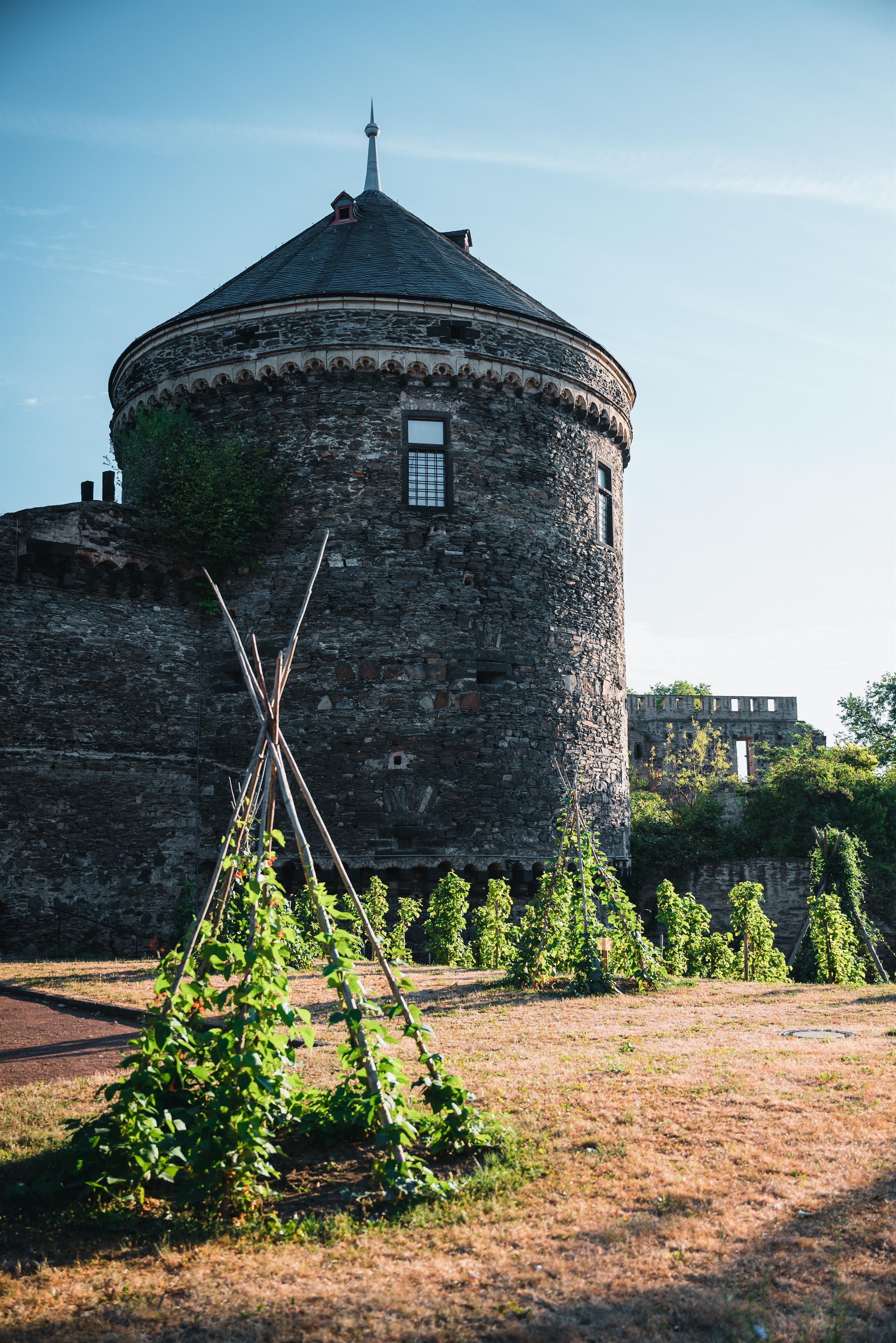
The Andernach Castle Garden links the city fortress of Kurköln, which began construction around 1200, was destroyed in 1689, and is today best preserved, with the concept of the "Edible City." Between old trees, fruits, vegetables, and herbs grow freely accessible. Special features include a cannonball pyramid from the Thirty Years' War as well as regular festivities such as the Baker's Boys Festival and the Rogues Market against a historical backdrop.
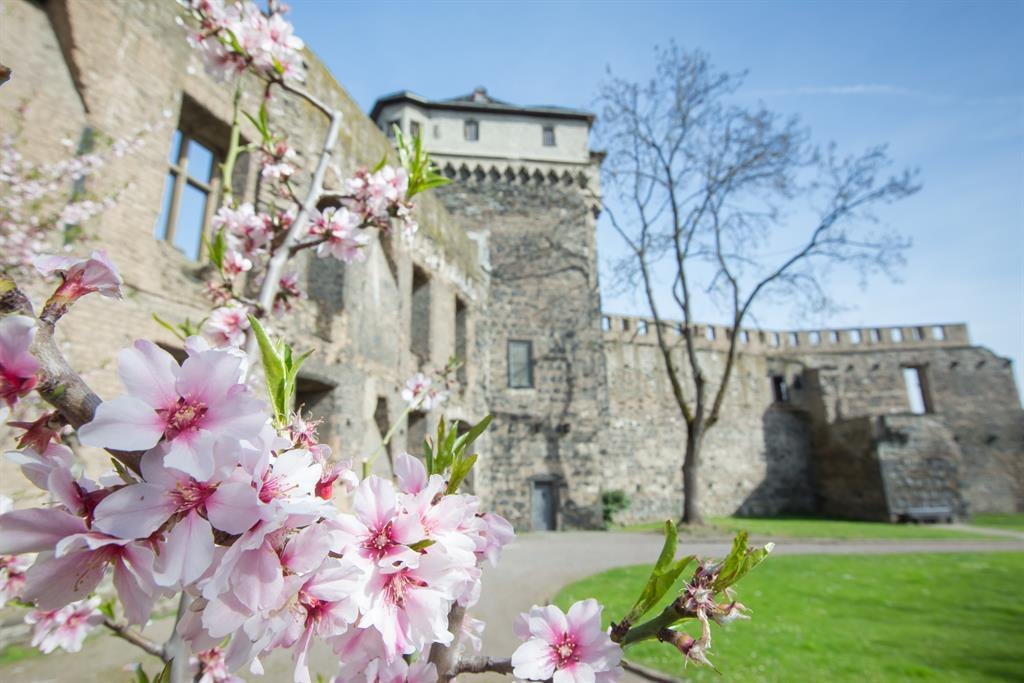
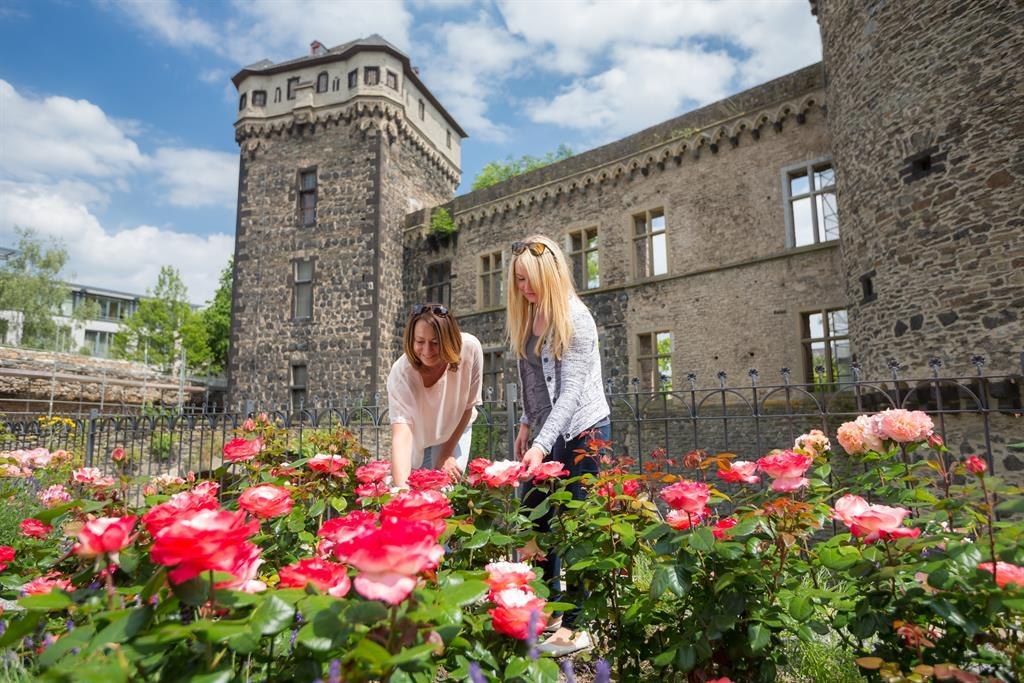
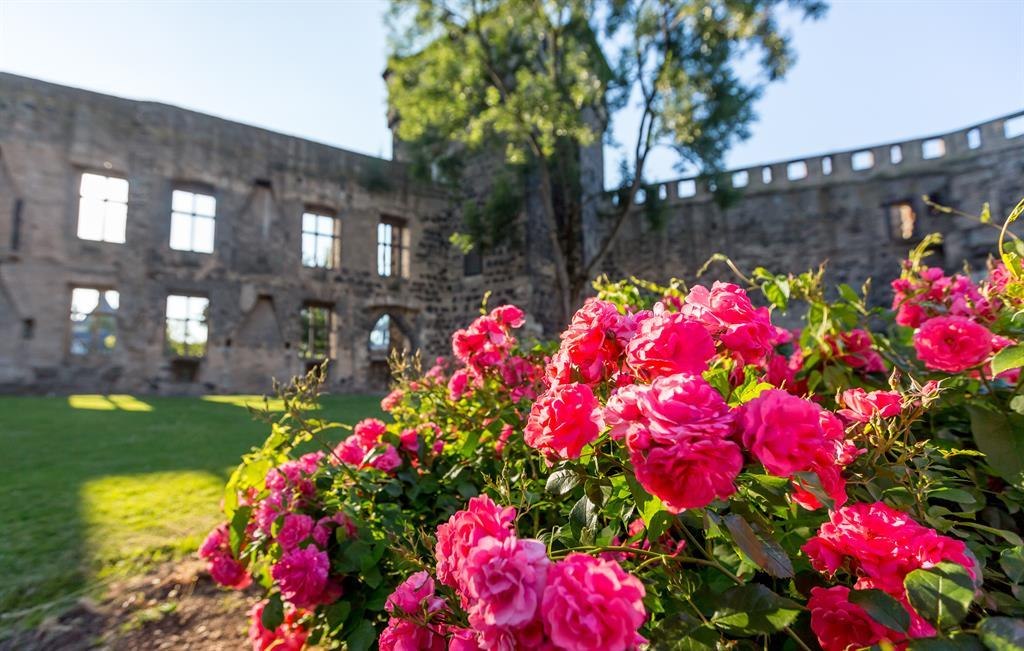
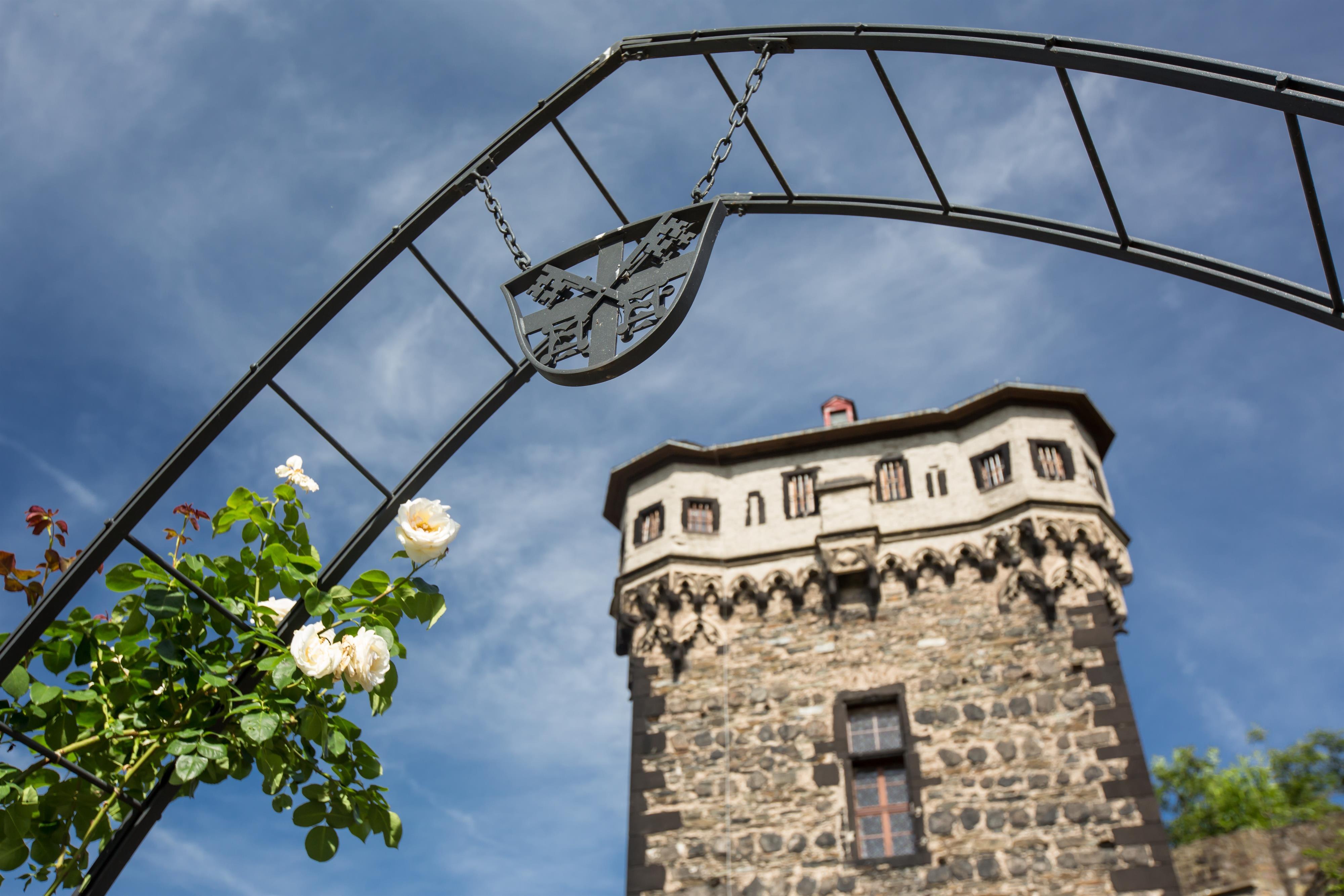
The palace garden of Andernach presents itself as a green oasis in the midst of the city, combining vibrant nature with historical walls. As part of the municipal concept of the "Edible City," freely accessible fruit and vegetable beds, as well as herbs, grow around the castle and between blooming beds and ancient trees. The garden belongs to the city and thus to all citizens – picking is explicitly allowed here.
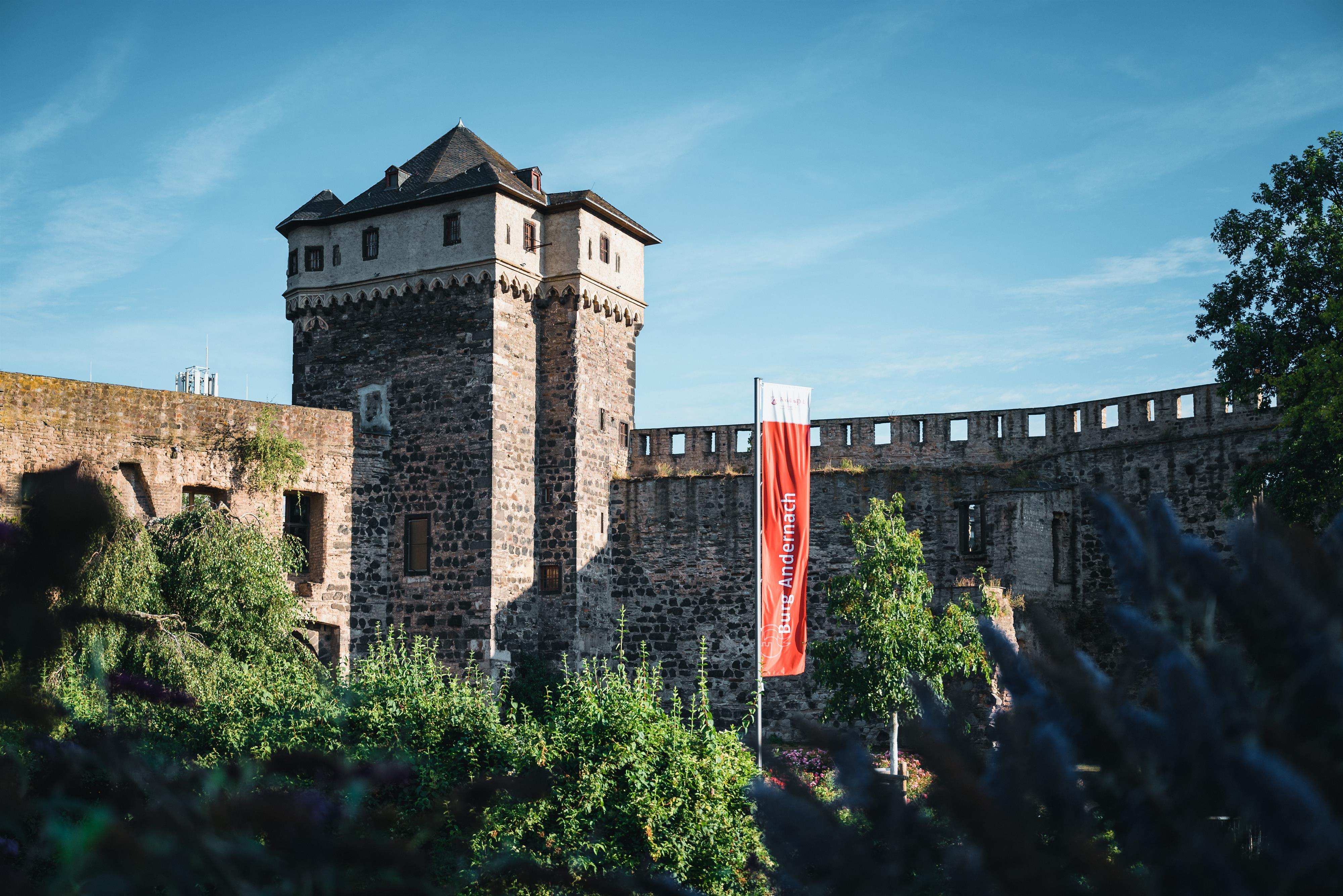
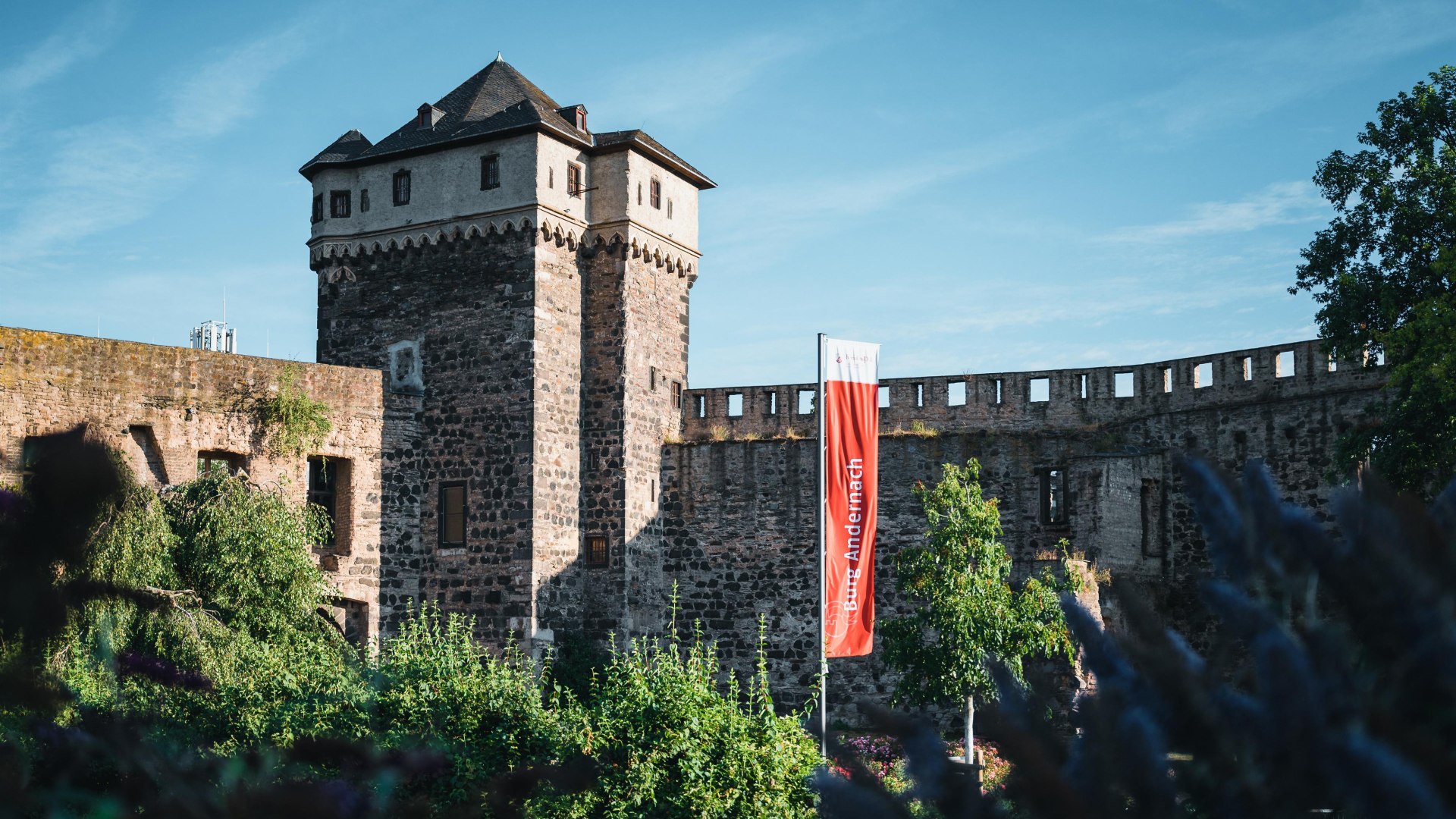
In the center rises the impressive castle ruin, which once enhanced the defensive power outward and aimed to secure the dominance of the archbishopric inward. The latter was not always successful: In the years 1359 and 1365, rebellious citizens besieged and captured the facility during a "storm on the city fortress." During the Thirty Years' War, Swedish troops invaded this place; the cannonballs that are stacked into a pyramid in the palace garden date back to this time. In 1689, the electoral palace was finally destroyed in the Palatinate Succession War.
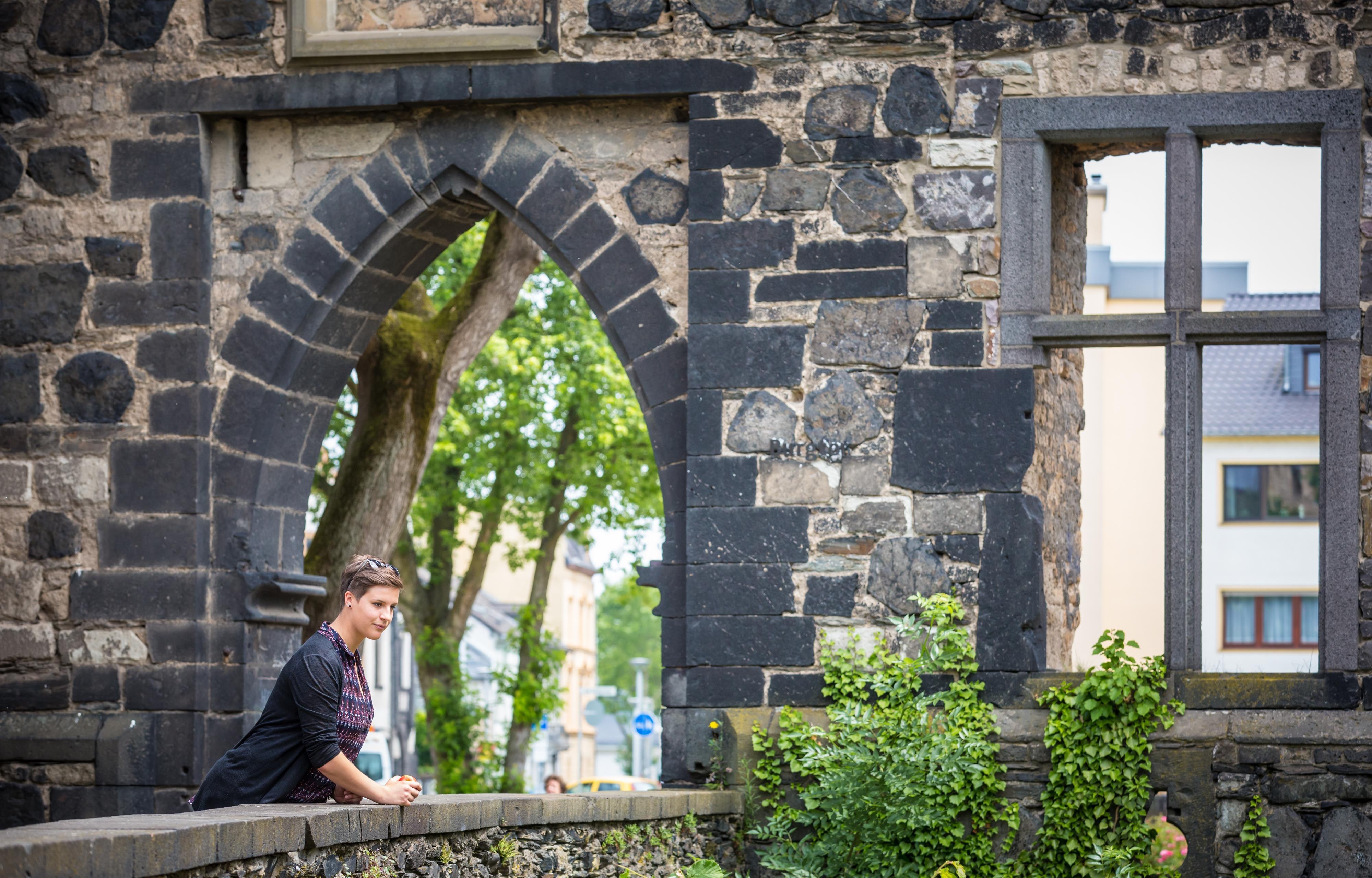
Today, the facility and the garden serve as a popular, romantic backdrop for selfies and unforgettable wedding photos. The upper floor of the residential tower is also used as a wedding room.